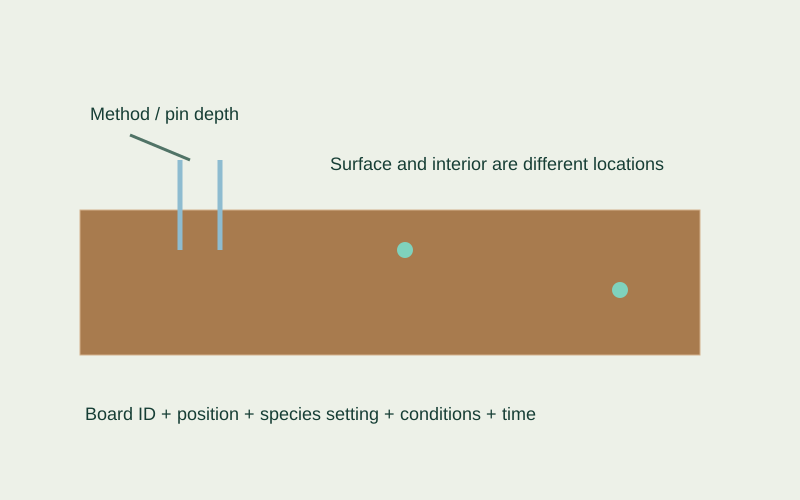
- Record the measurement method and the region it can assess.
- A surface observation does not establish the moisture condition throughout the section.
- Instrument correction and depth must follow the named meter and species documentation; dots are conceptual locations.
Preserve the material identification you received
Start with the product label, order description, and supplier documentation. Record a trade name as a trade name; do not silently turn it into a more precise botanical identification. If different bundles have different descriptions, keep those distinctions. The purpose is to make the basis of the measurement visible, especially when someone later questions why a particular setting was selected.
Use the instrument's own guidance
Species can affect electronic moisture observations. The appropriate setting or correction belongs to the instrument and its published procedure. A setting copied from another brand or model is not automatically transferable. Look up the exact model manual and its associated species information. If the documented name cannot be matched confidently, request guidance from the instrument maker or supplier rather than selecting a vaguely similar wood.
- Save the model name and manual or settings-table reference.
- Record the species name used for the lookup.
- Note whether a correction was automatic or entered afterward.
- Keep unresolved identification questions alongside the readings.
Separate raw observations from corrections
When a procedure involves a later correction, preserve the original display value and the corrected value in different fields. Record the rule's source and relevant conditions. This makes the calculation reviewable and prevents corrections from being applied twice. Do not build a homemade universal correction table from scattered examples; manufacturer instructions can depend on the instrument's method and calibration.
Treat a changed setting as a recorded event
If a later clarification changes the selected setting, date the change and explain its basis. Earlier entries may need review, but should not vanish. A trend across that change needs careful interpretation because the measurement procedure has changed. A useful record distinguishes new observations from recalculated historical values and identifies who supplied the clarification.
Hypothetical trade-name clarification
A delivery label uses a commercial wood name that is absent from the meter menu. The operator records that exact name and marks the setting question unresolved. After obtaining model-specific advice, the operator saves the response, records the instructed setting, and starts a documented follow-up session. The earlier numbers remain visible without being presented as directly comparable corrected values.
Common questions
Can I use the setting recommended for a different meter?
Only if the applicable manufacturer guidance supports doing so. Shared menu labels do not establish that two instruments use the same adjustment.
What if the meter applies the correction internally?
Record the selected setting and identify it as an internal adjustment. Do not apply an additional manual correction unless the instructions call for it.
Evidence & limits
Reviewed September 13, 2026. Sources support their stated technical principles; this site's workflows and hypothetical examples are not product tests, supplier approvals or independently reviewed project records.