Field guides
Find a focused answer and follow the next useful decision.
Receiving
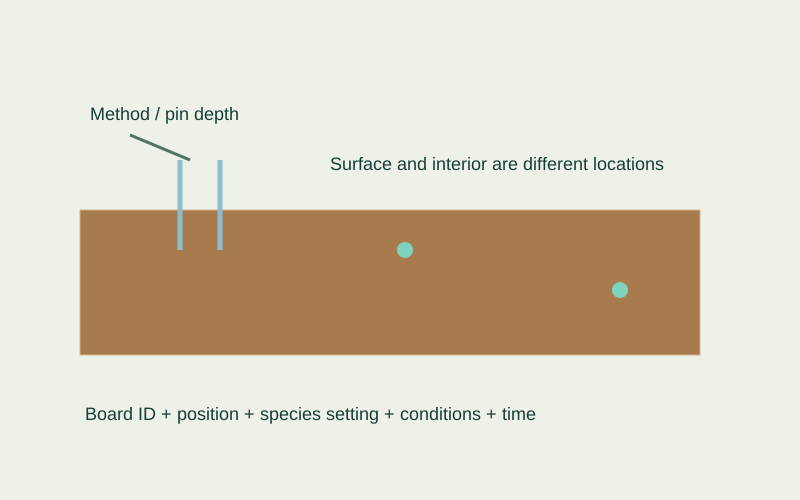 Build a useful wood receiving record
Document delivered stock, visible conditions, and initial moisture observations before the bundles lose their identity.
02 / Receiving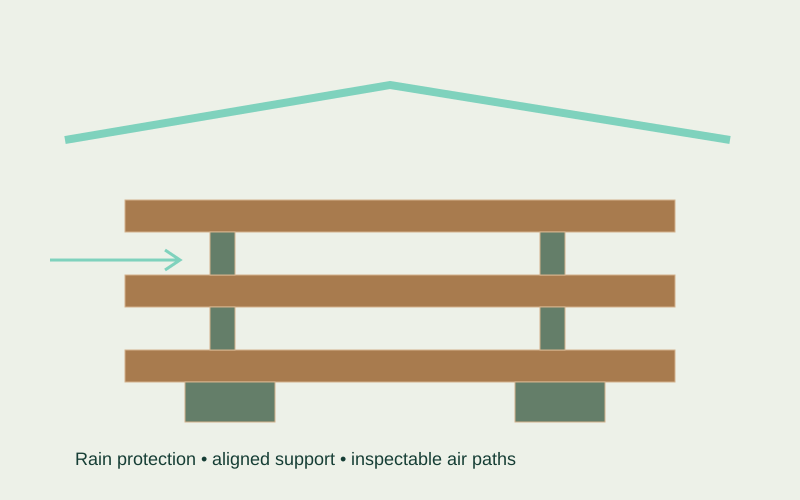 Receive wood carefully in a dry setting
Record a change of environment without assuming dry air guarantees uniformly dry stock.
03 / Receiving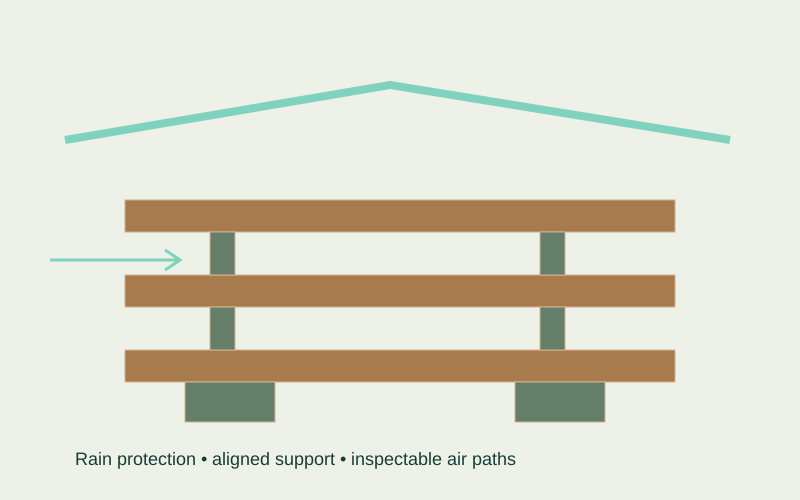 Read AD and KD labels as history, then check the delivery
Separate drying-process descriptions from current observations and project requirements.
Measurement
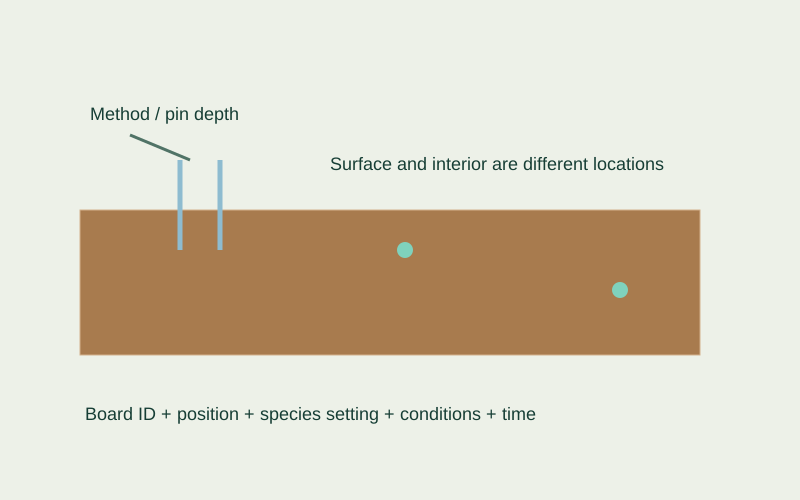 Plan moisture observations across a bundle
Choose identifiable observation locations and make the limits of your sample visible.
02 / Measurement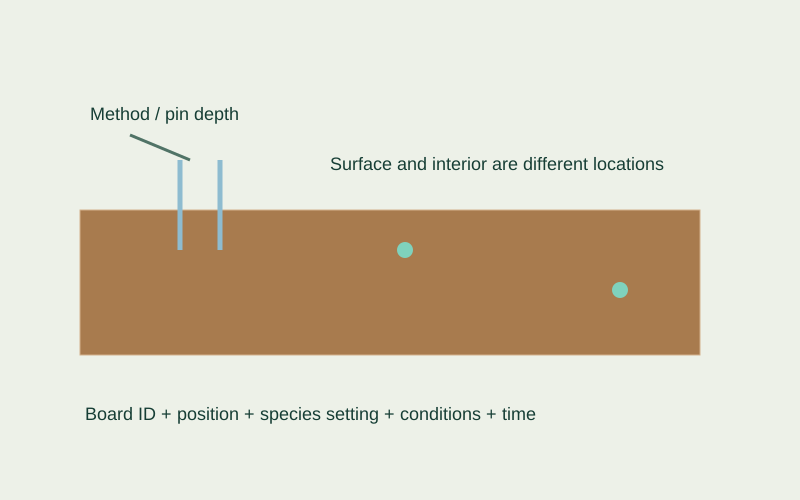 Choose a measurement method for the question
Understand what pin and pinless observations can tell you before comparing their numbers.
03 / Measurement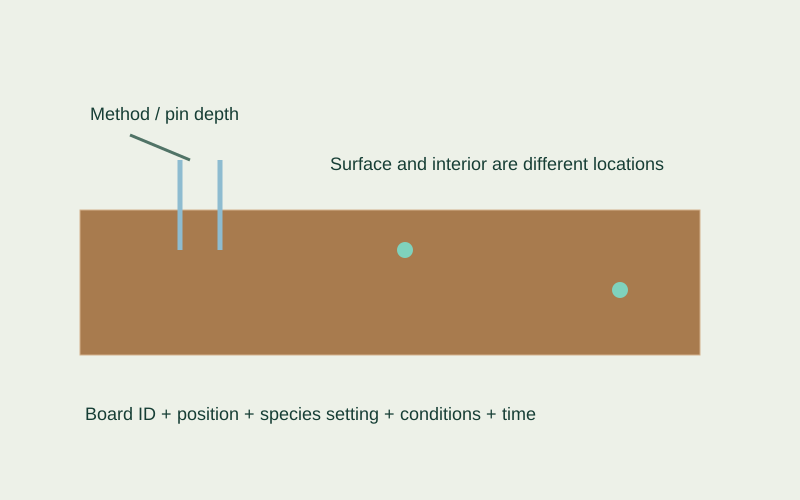 Keep species and meter settings traceable
Connect each moisture observation to the material identification and instrument guidance used.
04 / Measurement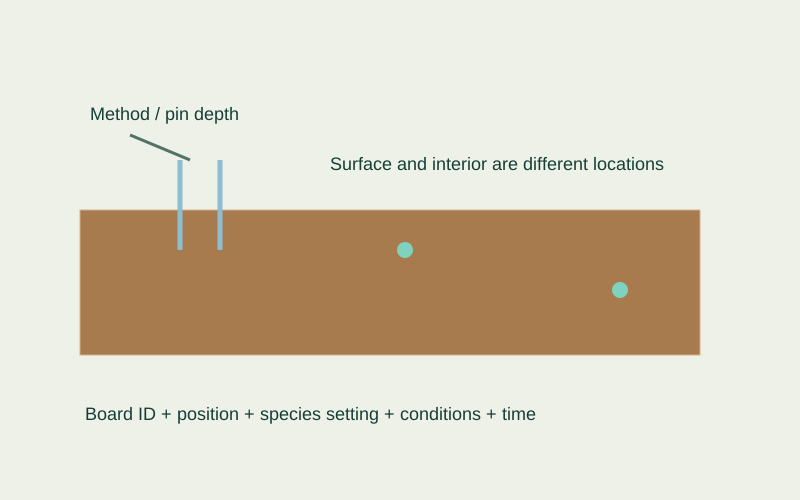 Make the next measurement comparable
Label boards and observation positions so later readings answer the same question.
05 / Measurement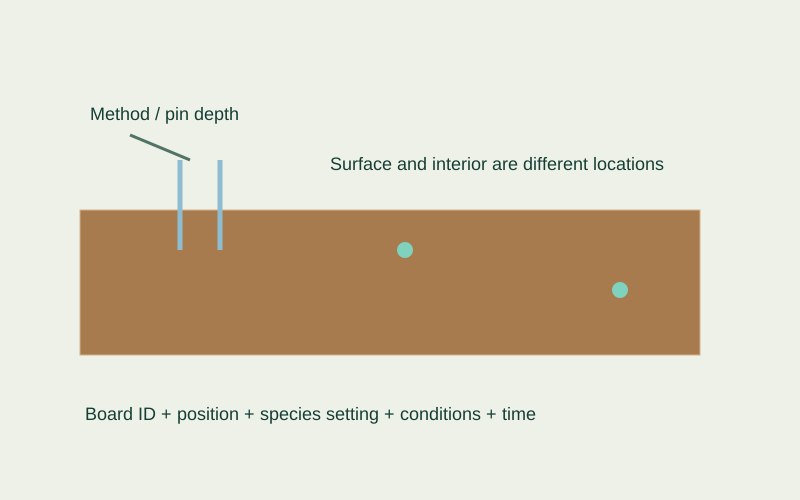 Match thick-stock questions to the measurement depth
Plan a depth-aware observation record for thick material without inventing a core value.
06 / Measurement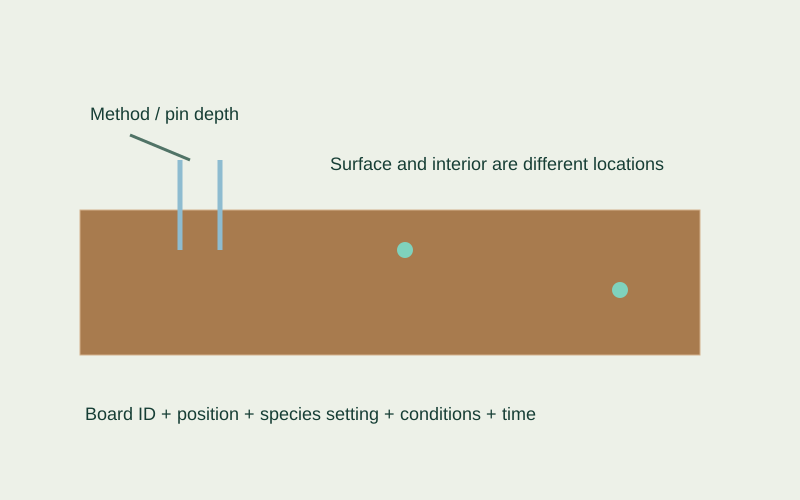 Do not transfer meter corrections between wood groups
Check model-specific species guidance when moving between softwood and dense hardwood stock.
Interpretation
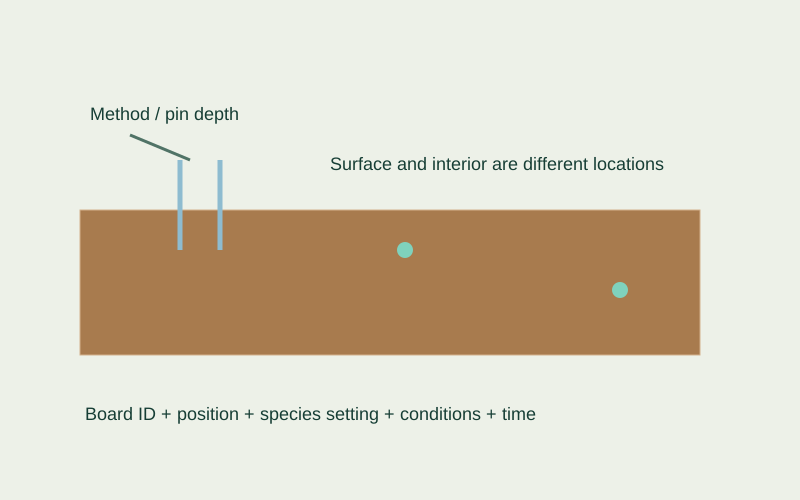 Do not mistake a surface observation for the whole board
Recognize moisture-distribution questions and document an appropriate follow-up.
02 / Interpretation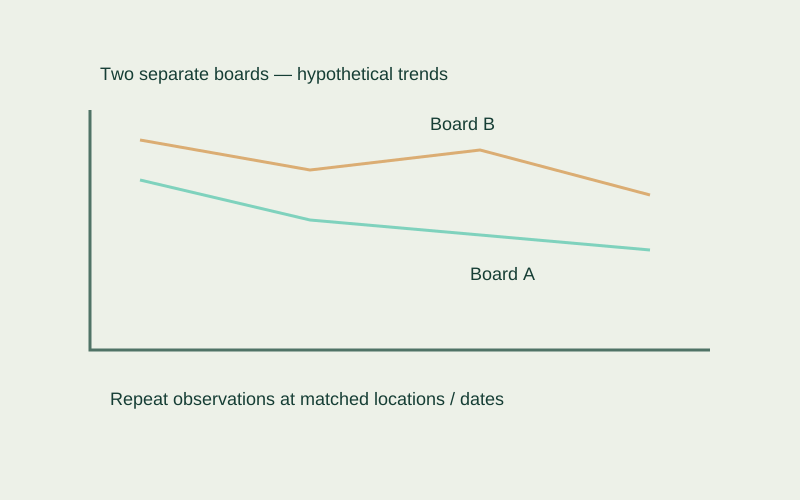 Read moisture trends without hiding the observations
Separate matched-board change from changing samples, settings, and measurement conditions.
03 / Interpretation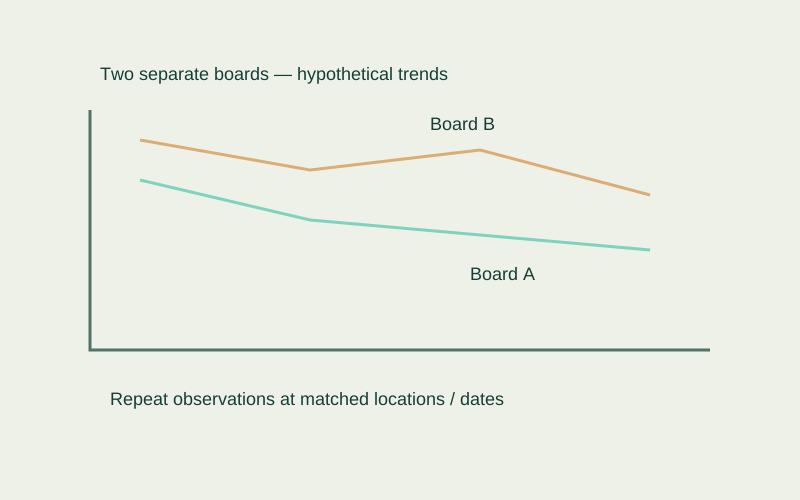 Keep unusual readings and mixed stock visible
Investigate differences without deleting inconvenient values or inventing a universal tolerance.
04 / Interpretation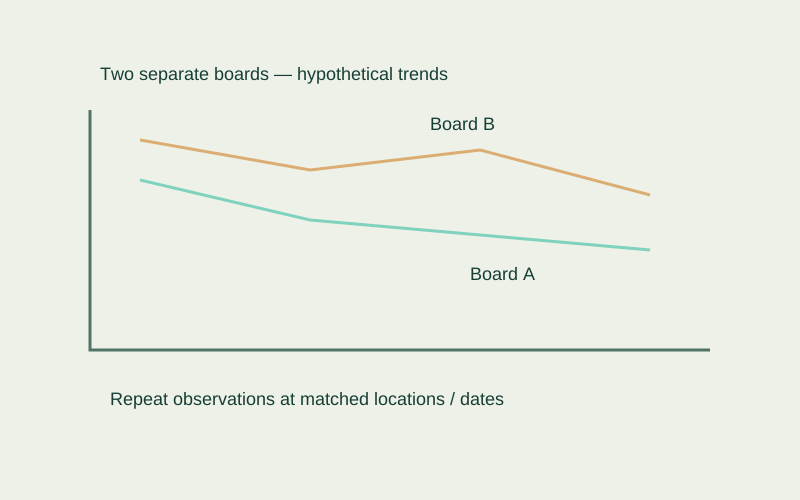 Separate EMC from a board moisture reading
Understand the difference between ambient conditions, equilibrium, and direct observations of stock.
Storage
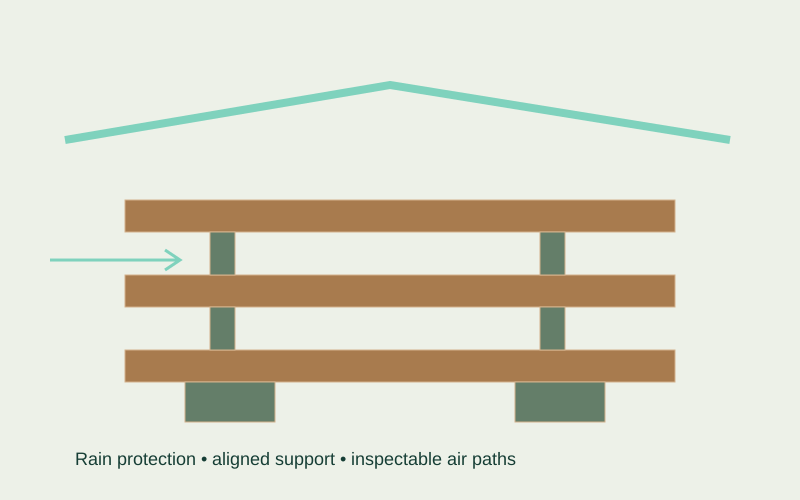 Plan storage that can be inspected and documented
Organize weather protection, handling instructions, and access before stock arrives.
02 / Storage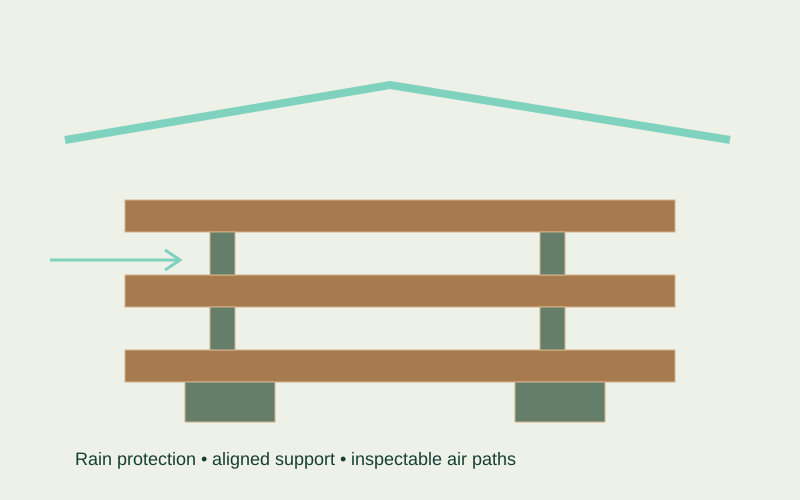 Document wetting before deciding the next step
Preserve the location, timing, and extent of observed wetting without inventing a recovery countdown.
03 / Storage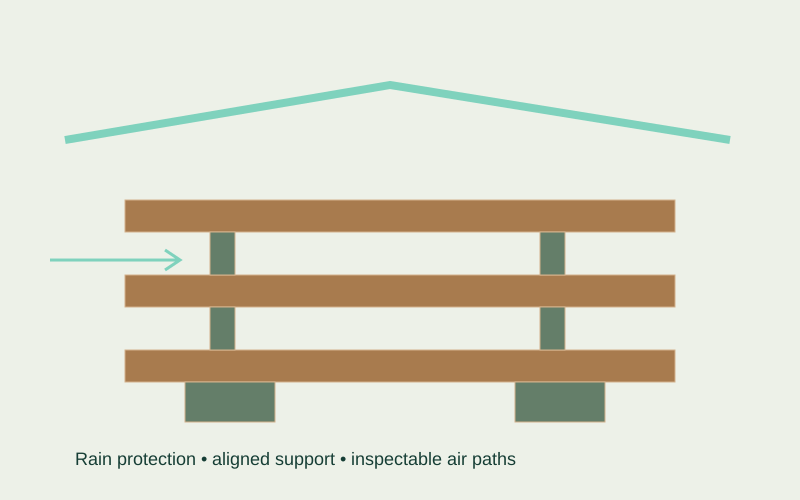 Separate conditioned interiors from exterior exposure
Connect storage observations to the intended service environment before borrowing an acclimation procedure.
04 / Storage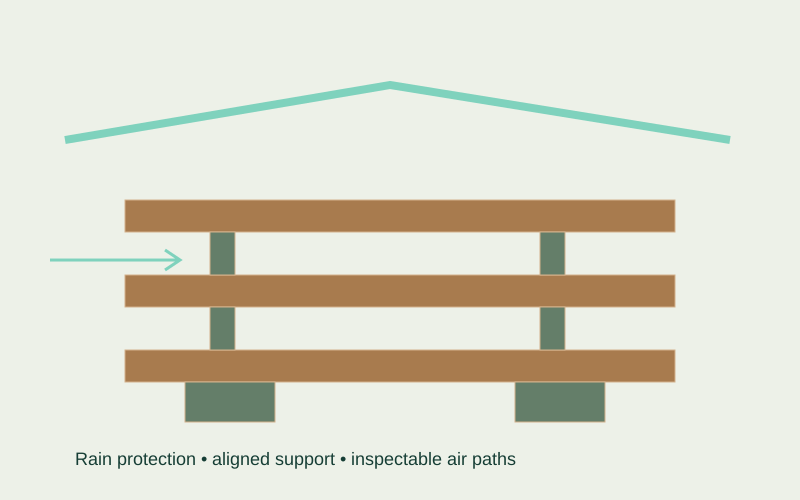 Plan coastal storage around the actual exposure
Document cover, spray, and storage conditions without turning a coastal location into a moisture target.
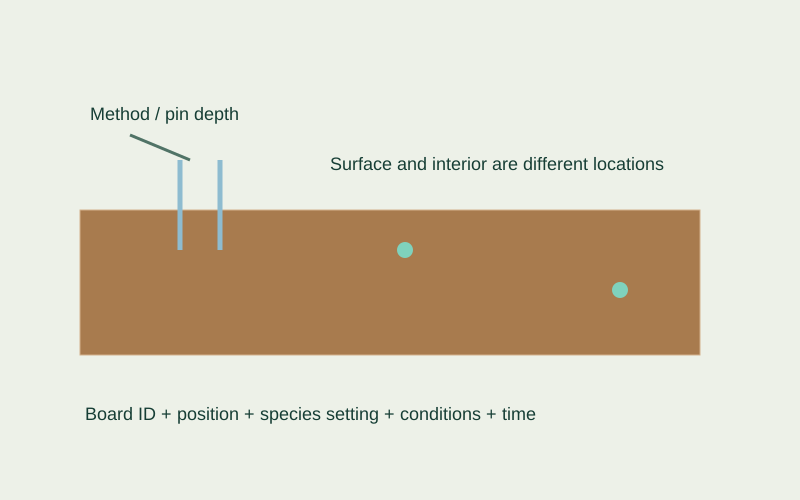 Hand over a record that another person can review